Project
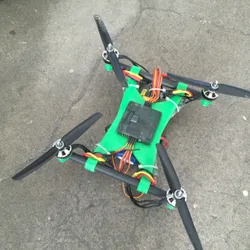
3D Printed Drones
Designed and printed a drone
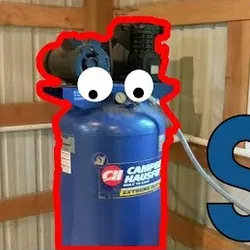
Upgrading Shop Air Compressor
Hard-plumbed an air compressor to provide convenient access to compressed air in the shop
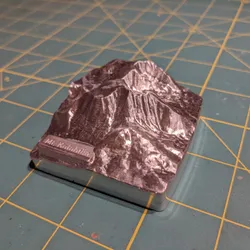
Aluminum Mountains
Designed and machined custom aluminum mountains as a christmas-present project

Bosswatt Prototype
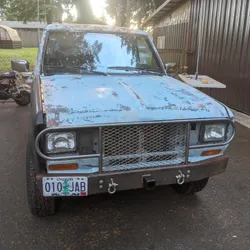
Bronco Bumper
Fabricated custom front and rear steel bumpers with integrated shackle mounts and receiver hitch for a Bronco
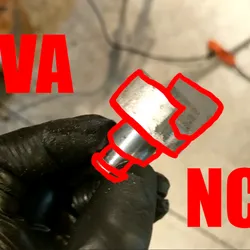
Machining a camera mount
Machined a custom camera mount to attach a cell phone to a tripod head with a quick release plate
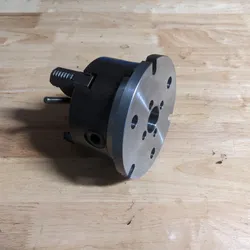
Chuck Back Plates
Machined a chuck mountaing plate for my 4th-axis using turning and facing operations on a lathe
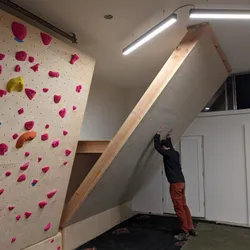
Climbing Wall
Helped a friend construct a home climb wall including a LED project board and a tilting spray wall
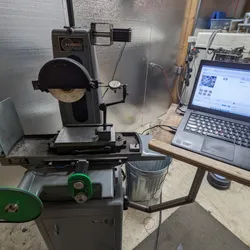
CNC Surface Grinder Retrofit
Designed and machined custom brackets, mounts, and driveline components to retrofit a manual surface grinder with CNC-driven motion
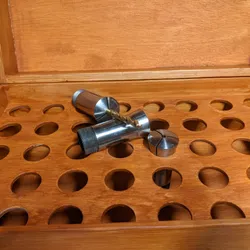
5C Collet Box
Fabricated precision box-joint assemblies with tight tolerances for custom collet seating
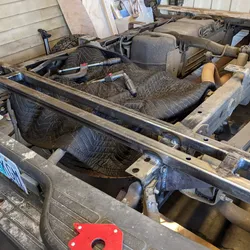
Truck Crane Frame Fabrication
Designed and welded a custom sub-frame to mount a crane on a work truck for stone sculpting operations
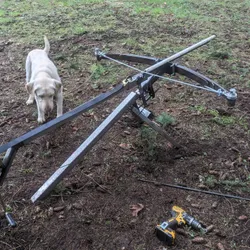
Leaf Spring Crossbow
Designed and fabricated a custom bow system with integrated trigger mechanism and adjustable elevation hinge

Desktop Organizer
Article content is missing — please provide the full text to generate blurbs
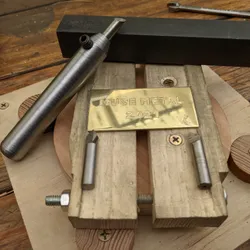
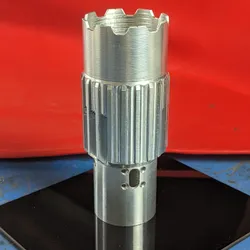
Festival Totem
Fabricated aluminum replacement housing for a 3D printed festival totem to resolve PLA thermal failure
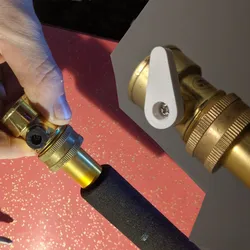
Designed and 3D printed a replacement valve handle for a broken garden sprayer using caliper measurements and CAD
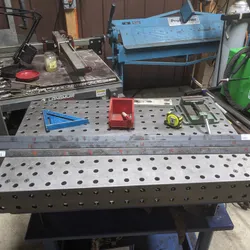
Fixture Table
Mounted a cast-iron fixture table to my adjustable-height Portelevator cart
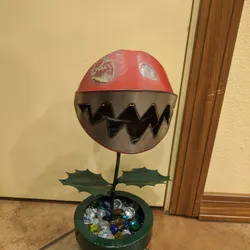
Pirhana Plant
Created a sculpture as a gift for a friend
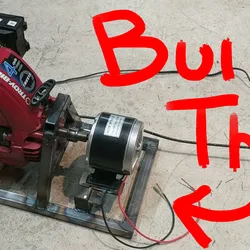
Discovered that applying power to the motor restarts the engine, enabling microcontroller-based engine control
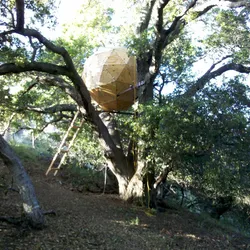
Geodesic Treehouse
Manufatured and installed a geodesic treehouse
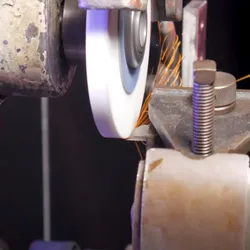
Grinding a custom groove cutting tool
Used a Cincinnati MT2 tool and cutter grinder to create a 0.090" groove cutter
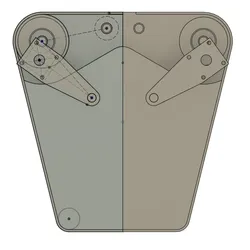
Hanging Plotter
Designed a low-cost hanging plotter mechanism using 3D printed components and Arduino control
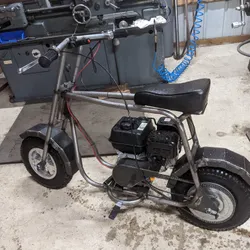
Hardtail Mini Bike
After buying my friends each a mini-bike kit this was our first attempt
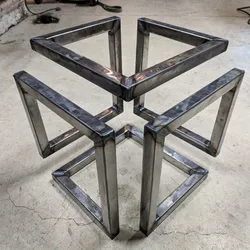
Welding an Infinity Cube
Documented end-to-end fabrication workflow from material marking through final assembly
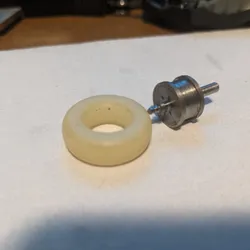
Small part: Mouse Axle
Designed and machined a miniature replacement part to repair a mechanical mouse from scratch
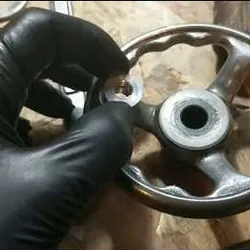
Mr Fixums' Lathe Handwheel Repair
Repaired structural components on a vintage Harrison L6 Mk1 lathe using aluminum welding techniques
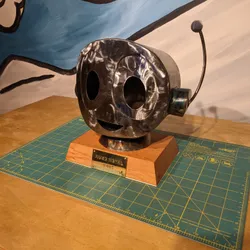
Company Logo Sulpture
Designed and fabricated a sculpture of the logo of the company I worked for
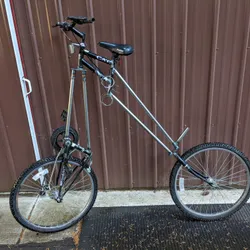
Penny Fakething Freak Bike
Converted a bicycle to a penny-farthing configuration, achieving geometry precise enough for hands-free riding
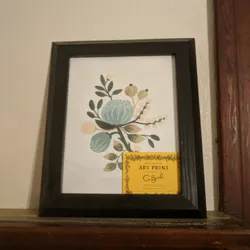
Picture Framing
Practicing woodworking fundamentals through the methodical craft of picture frame construction
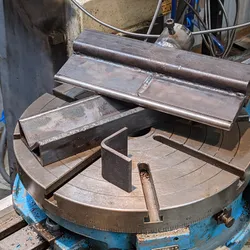
DIY Press Brake
Made a press brake to assist with other shop projects
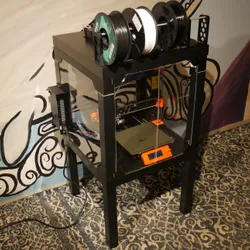
Fabricated a custom 3D printer enclosure from 3D-printed PETG components, IKEA Lack tables, and table-saw-cut acrylic panels
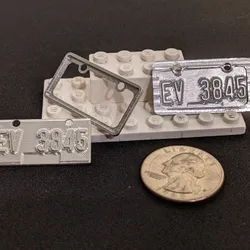
Scale License Plate
Machined a 1-10 scale license plate for a coworkers RC car project
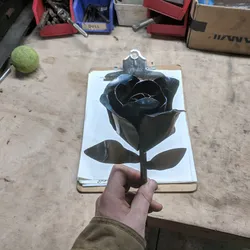
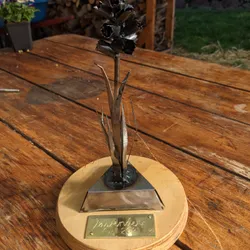
Metal Rose
Engineered layered petal assemblies by designing and folding individual petal sections into a cohesive structure
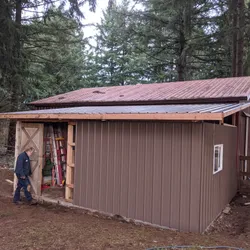
Extending the Shop
Built an extension to the shop to isolate fabrication from metrology and machining
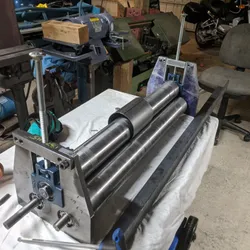
Slip Roller
Fabricated a precision slip-rolling machine by combining plasma cutting for rough shapes with CNC machining for critical interfaces
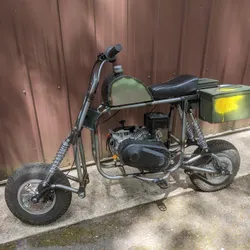
Full Suspension Mini Bike
Designed and hand-fabricated a complete custom motorcycle frame from scratch, progressing from initial drawings to a ridable prototype
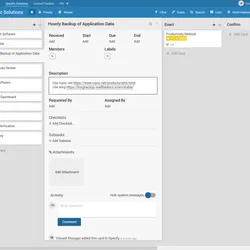
Automated daily task digest emails by querying the WeKan API and scheduling execution with cron
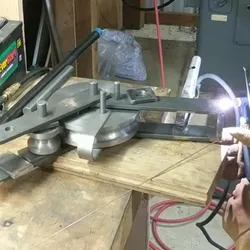
Machining a Tube Bender
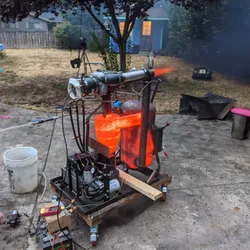
Turbofurnace
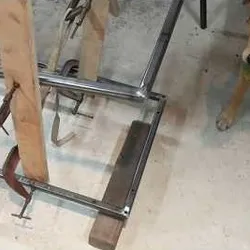
Built a welding cart as a first project to practice and refine basic welding techniques
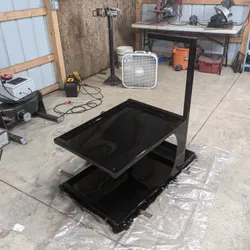
Weld Cart (for everlast)
Designed and fabricated a weld cart
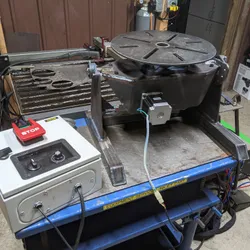
Welding Positioner
Built a welding positioner supporting several hundred pounds with infinitely variable rotation speed and 90+ degree tilt using sheet metal and timing belts


Local LLM
Engineered a reproducible local coding-agent environment using Nix and llama.cpp, enabling Pi to run against a shared Qwen model on an RTX 3090

Northwest Waxworks
Built a digital fabrication pipeline converting mountain terrain data into 3D-printed candle molds, automating geometry tuning too complex for manual adjustment
Obsidian Remotion
Extracted TypeScript blocks from Markdown and synthesized them into virtual TSX modules for live, type-checked Remotion previews inside an Obsidian plugin

Evolved a static site into a full publishing and editorial system through seven years of iterative tooling changes
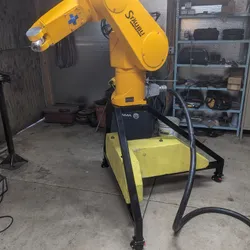
Reverse-engineered a legacy Staübli RX90 robot controller and replaced its failing floppy boot disk with a ZuluSCSI SD card emulator after six disassembly iterations to derive a working boot image